
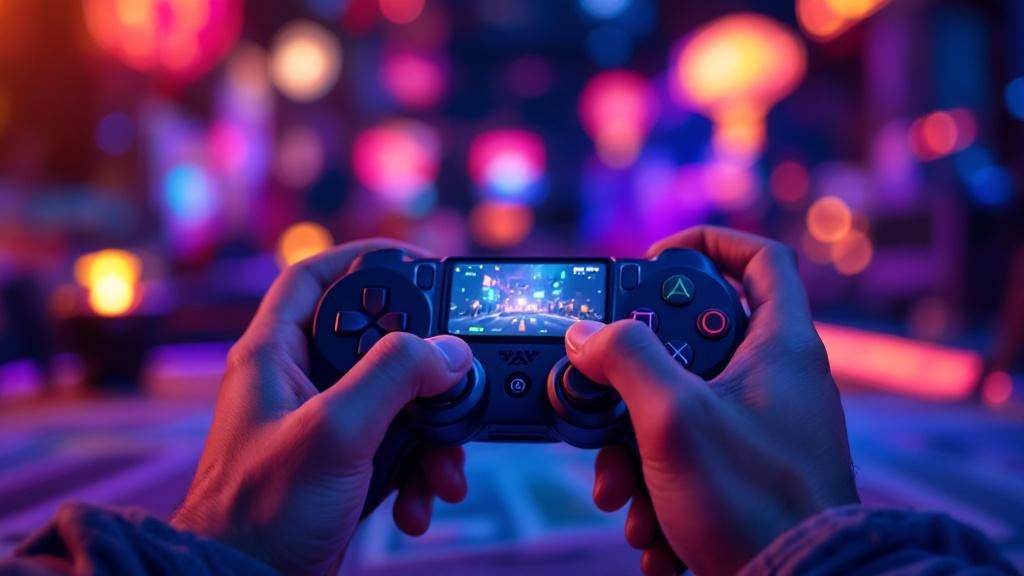
For numerous disabled gamers worldwide, accessibility features have changed gaming from an impossible dream into an achievable reality. Mobile games, in particular, have become more accessible, offering adjustable input options, sight and sound customisation, and subtitle options that level the playing field. This article explores how these vital functionalities are permitting disabled players to experience mainstream titles together with their non-disabled peers, whilst examining the industry’s growing commitment to universal accessibility and the substantial influence accessibility has on gaming populations.
The Importance of Accessibility in Video Games
Accessibility in gaming constitutes far more than a simple optional extra; it is a fundamental right that allows millions of disabled individuals to take part in interactive entertainment. Without adequate accessibility measures, countless aspiring players are shut out of experiences that able-bodied gamers regard as normal. By implementing thoughtful design choices such as flexible control schemes, adjustable text sizes, and audio descriptions, developers build bridges for players with disabilities to enjoy the identical games their fellow players appreciate, promoting authentic inclusion within the interactive entertainment industry.
The significance of inclusive game design extends beyond individual enjoyment, contributing to broader social and economic benefits. When game developers prioritise accessibility, they expand their potential audience considerably, whilst simultaneously fostering an inclusive environment that benefits everyone. Mobile games have become particularly powerful vehicles for this change, offering adaptable systems where inclusive functionality can be naturally incorporated. This accessibility-focused strategy demonstrates that accessibility and mainstream gaming are not opposing ideas, but rather complementary elements that enhance the overall quality and reach of interactive entertainment for all players.
Core Accessible Options for Games on Mobile Devices
Modern mobile games include a broad spectrum of accessibility features created to support players with different abilities and disabilities. These features encompass visual, audio, motor, and cognitive considerations, allowing developers to build inclusive gaming experiences that don’t compromise on quality or entertainment value. From customisable interfaces to responsive controls, these tools enable disabled gamers to interact with mainstream titles on their own terms, promoting a more inclusive and varied gaming environment for all players.
Visual Accessibility Options
Colour blindness affects millions of players worldwide, rendering colour-coded game mechanics problematic. Mobile games now commonly include colourblind modes that modify palettes to guarantee essential visual details remains distinguishable. Furthermore, high contrast settings, larger text sizes, and adjustable interface scaling enable players with reduced vision to access menus and game interaction with ease. These visual adjustments guarantee that vision loss or colour vision deficiency doesn’t prevent participation in game content.
Screen reader integration represents an important accessibility feature, permitting blind and severely visually impaired players to access mobile games through audio descriptions and tactile responses. Developers are increasingly implementing text-to-speech functionality, descriptive audio narration, and inclusive menu designs that work seamlessly with assistive technology. These developments showcase how thoughtful design can make gaming genuinely inclusive, allowing sight-impaired players to experience story-driven content, tactical gameplay, and competitive features.
Auditory and Hearing Accommodations
Deaf or hard-of-hearing players require thorough captioning and subtitle systems to completely enjoy mobile games. Modern accessible titles deliver not only dialogue subtitles but also informative captions showing sound effects, musical cues, and spatial audio details. Customizable caption size, colour, and position maintain clarity without hindering gameplay, whilst options for visual sound indicators substitute for audio-reliant game mechanics entirely.
Beyond subtitles, vibration technology and on-screen alerts have enhanced audio accessibility in smartphone games. Vibration patterns can convey important audio information, from enemy proximity to success alerts, enabling deaf players to obtain crucial gameplay feedback. Paired with customisable audio tones and mono audio options for players with single-sided deafness, these features create truly accessible audio environments that accommodate varying levels of hearing.
How Software engineers Are Implementing Inclusive Design
Major game developers have acknowledged that accessible design advantages all players, not simply those with accessibility needs. Studios are now integrating accessibility considerations from the earliest stages of development, rather than addressing them as secondary considerations. This core transformation in approach has led to more intuitive interfaces, flexible game mechanics, and adaptable control systems that support diverse player needs. By emphasising inclusive design during the design phase, developers create games that are naturally more engaging and accessible for everyone.
Many studios partner with disabled gamers and accessibility consultants to guarantee their implementations are truly effective. These partnerships have yielded innovations such as gaze-based input systems, voice-activated controls, and difficulty scaling systems that adapt in real-time to player capabilities. Leading game companies now maintain dedicated accessibility teams, whilst sector-wide standards and frameworks—such as the Game Accessibility Guidelines—provide extensive implementation guides for deployment. This collaborative approach guarantees that accessibility options tackle actual user needs rather than based on assumptions about disabled players’ requirements.
The financial and commercial performance of inclusive gaming titles has demonstrated that accessible design is financially viable. Games offering strong accessibility support have engaged wider player bases and earned considerable praise from industry reviewers and players. This positive outcome has driven greater commitment in accessible design among developers. As additional studios see the favourable response and increased audience reach that accessibility provides, the momentum towards accessible design gathers pace, promising an ever more inclusive gaming landscape for disabled gamers across the world.
